Mobilize your workforce with the correct authorization from the start
Suriname’s immigration process is sequential, document-heavy, and still largely dependent on in-country execution.
AZERRA coordinates the complete process, from identifying the right immigration route and reviewing documents before travel to submitting applications, following up with the relevant authorities, and managing annual renewals.
Your team receives a structured process, clear status updates, and local support at every stage.
Start the process before immigration delays your project
Most deployment delays do not begin at the ministry. They begin weeks earlier, when a required document has not been requested, legalized, apostilled, translated, or reviewed correctly.
If that missing document is discovered after the employee has travelled, it may need to be requested from the home country, authenticated there, and shipped to Suriname. A small oversight can quickly become several weeks of avoidable delay.
AZERRA reviews the requirements before travel so each application can begin with the strongest possible foundation.
We help you identify:
- Which immigration route applies
- Which documents are required for the employee
- Which documents require an apostille or alternative legalization
- What additional requirements apply to spouses and dependent children
- When each application should begin
- Which renewals must be planned during the assignment

The Suriname immigration process
A coordinated route from entry authorization to permission to work
A typical foreign-worker immigration process follows three connected stages. Each stage supports the next, which means the sequence must be planned carefully.
The exact route and timeline depend on the employee’s nationality, role, assignment structure, family situation, and current administrative requirements.
MKV entry authorization
The MKV is the pre-arrival authorization commonly used for employees who intend to reside and work in Suriname.
The application begins before the employee travels and usually requires a substantial document package. Depending on the individual case, this may include:
- Passport documentation
- Birth certificate
- Police clearance
- Medical documentation
- Proof of qualifications
- Employment documentation
- Marriage certificate, where applicable
- Documents for accompanying dependants
- Apostilles or alternative legalization
The application itself may move relatively efficiently once the file is complete. The greater source of delay is often gathering and legalizing the documents before submission.
AZERRA provides a case-specific checklist, reviews the documents before filing, and coordinates the submission process.
Residency permit
After the employee has entered Suriname under the appropriate immigration route, the residency application can begin.
The residency permit supports the employee’s legal long-term stay in Suriname and is an important foundation for the remaining immigration process.
The procedure remains largely manual. Applications require in-country submission and active follow-up with the responsible authorities.
AZERRA coordinates the application, tracks its progress, follows up locally, and communicates material developments to the client and employee.
Work permit
The work permit authorizes the foreign employee to perform work for the specified employer and in the approved role.
The application is connected to the employee’s residency status, employment agreement, position, and assignment structure.
AZERRA prepares and coordinates the work permit application, manages follow-up, and helps ensure the application remains aligned with the underlying employment arrangement.
Plan around the realistic timeline, not the timeline you hope for
The standard immigration route can take several months from the beginning of document collection through full residency and work authorization.
The precise timing depends on factors including:
- 01Nationality
- 02Document availability
- 03Apostille or legalization requirements
- 04Application completeness
- 05Current processing conditions
- 06The immigration route used
- 07Whether family members are relocating
- 08Questions or additional requests from the authorities
The most reliable planning rule is simple:
Begin immigration as soon as the assignment is confirmed
Do not wait until the intended travel date is approaching. Early preparation creates time to resolve missing documents, legalization requirements, and case-specific complications without placing the project schedule under unnecessary pressure.
When speed is critical
Time-sensitive cases require a lawful strategy, not an informal shortcut
Some deployments cannot follow a standard project timeline. A specialist may be required urgently, a replacement may need to mobilize, or a project milestone may be at risk.
Depending on the circumstances, formal accelerated routes, special-request procedures, or other lawful mechanisms may be available. These options are not automatic and may involve additional government, legal, and processing costs.
AZERRA’s team can assess the specific case, identify the available compliant options, and explain the likely timing, requirements, and cost implications.
We do not promise an accelerated result before reviewing the facts. We determine what the law and current procedures allow, then build the strongest available route around your circumstances.
Assessed case by case
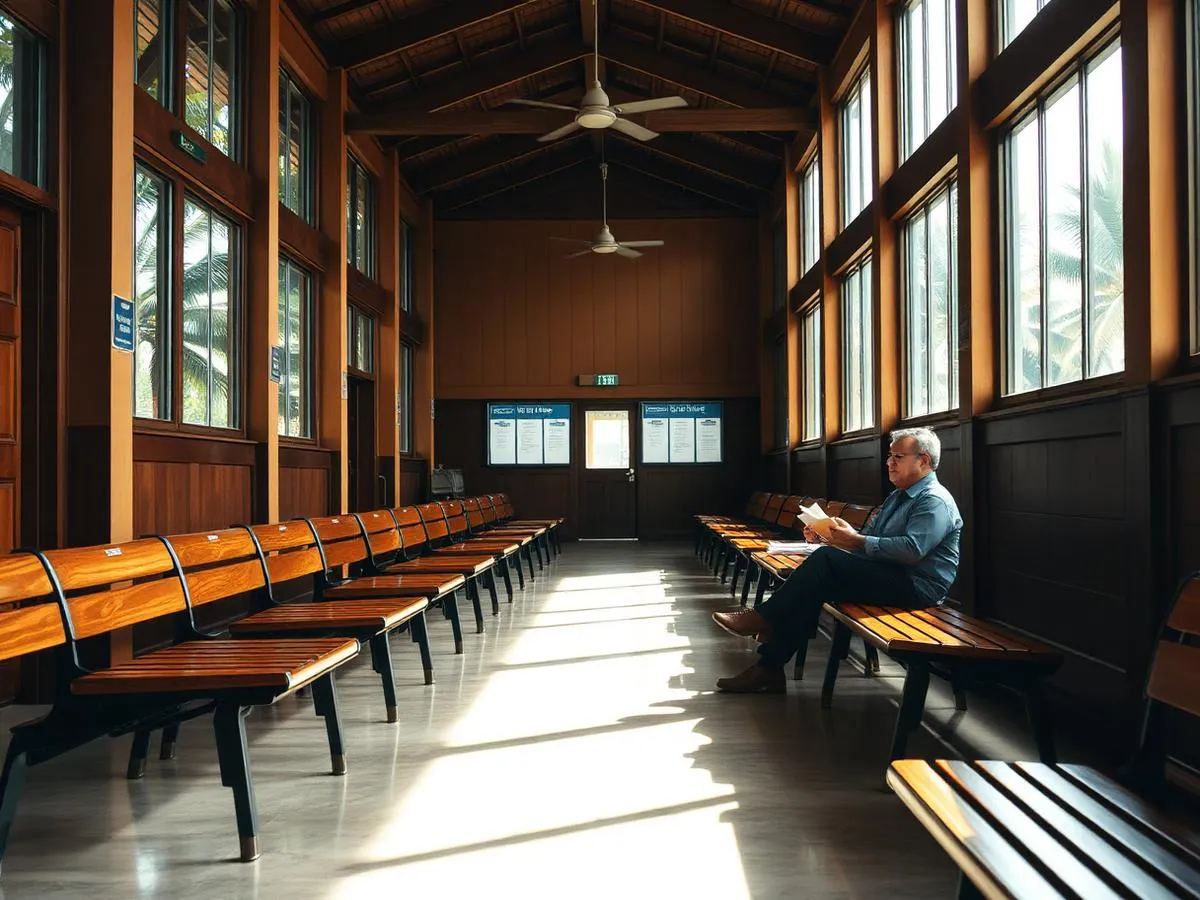
A business visa is not a work permit
Business visas are intended for genuine short-duration business activities such as:
- Meetings
- Site visits
- Commercial discussions
- Business development
- Preliminary assessments
They should not be treated as a substitute for the correct residency and work authorization for an employee performing structured or recurring project work.
Repeated entries connected to the same assignment can attract greater scrutiny. What appears to save time at the beginning may create a more difficult immigration position later.
If an individual has an employment agreement, performs productive work, or returns for recurring rotations, the correct immigration route should be assessed before travel.
Start cleanly. Avoid building the deployment around a temporary workaround.
Documents and apostilles
The application can only move as quickly as the documents allow
Many immigration documents must be issued in the employee’s home country. Some may also require an apostille, consular authentication, translation, or another form of legalization.
For employees from countries participating in the Hague Apostille Convention, apostille procedures may be relatively straightforward, although they still require planning time.
For employees from countries where apostille procedures are unavailable, alternative legalization routes may apply and can require additional coordination.
AZERRA helps identify the correct requirement for each document before the employee travels.
A complete pre-arrival review can help prevent:
- Documents being rejected because they were issued incorrectly
- Missing apostilles or legalization
- Certificates expiring before submission
- Inconsistent names or personal details
- Dependants being omitted from the initial plan
- Documents having to be requested again from abroad
- Applications being delayed by an incomplete file
Immigration support for spouses and children
A family deployment requires its own plan
The employee’s immigration process does not automatically cover an accompanying spouse or dependent children.
Family members may require different documents, additional legalization, separate applications, and a different sequence of actions. Their immigration plan should also be coordinated with housing, schooling, medical coverage, and the intended arrival date.
AZERRA helps clients and employees understand what is required for the entire household, not only the principal applicant.
Support may include:
- Dependant document checklists
- Marriage and birth-certificate requirements
- Apostille and legalization guidance
- Family entry and residency coordination
- Alignment with housing and school planning
- Renewal tracking for family permits
Planning these requirements early helps prevent the employee arriving first while the family remains abroad waiting for documents that should have been requested months earlier.
Annual renewals require active planning
Residency and work authorizations are commonly issued for a limited period and may require renewal during a continuing assignment.
Renewals should not be treated as a last-minute administrative task. Updated documents may be needed, processing conditions may have changed, and a lapse can disrupt both the employee and the project.
AZERRA tracks the relevant expiry dates and helps initiate renewal preparation before the existing authorization reaches its end date.
Renewal support can include:
- Expiry-date monitoring
- Updated document checklists
- Employee and client notifications
- Renewal application preparation
- In-country submission and follow-up
- Status reporting through AZERRA Connect
Local execution matters in a manual system
The MKV process has become more digitally accessible, but important parts of the residency and work permit process still require physical submission, in-person communication, and local follow-up.
There is no complete digital system through which an international employer can submit every application, monitor every stage, and resolve every issue remotely.
When a question arises, the difference is often practical:
- Can someone review the physical file?
- Can someone follow up with the responsible office?
- Can correspondence in Dutch be interpreted correctly?
- Can a missing requirement be identified before the file stalls?
- Can the client receive a clear explanation of what changed and what happens next?
AZERRA’s immigration work is performed by a team based in Suriname. We coordinate applications through the proper legal and professional channels and maintain the local presence required to keep manual processes moving.
What AZERRA handles
Before travel
- Immigration-route assessment
- Employee and family document checklists
- Document review
- Apostille and legalization guidance
- Entry-authorization preparation
- Pre-arrival planning
- Coordination with employment onboarding
During the application process
- Application preparation
- In-country submission
- Communication with the responsible authorities
- Active status follow-up
- Response to document questions
- Client and employee updates
- Case escalation where appropriate
During the assignment
- Permit and residency monitoring
- Renewal planning
- Changes related to role or assignment structure
- Family immigration support
- Secure document access through AZERRA Connect
- Coordinated offboarding and immigration closure where required
Visibility throughout the process
Know what has been submitted, what is pending, and what happens next
Immigration should not feel like a black box.
Through AZERRA Connect and direct communication with our team, authorized clients can receive visibility into the status of relevant immigration activities and required actions.
Depending on the engagement, this may include:
- Document collection status
- Applications submitted
- Current processing stage
- Additional information required
- Permit and residency expiry dates
- Renewal preparation
- Employee-specific records
Your team should not have to reconstruct the status of a deployment from separate emails and WhatsApp conversations.
Status, in one place
Common immigration questions
Immigration resources
Immigration Document Checklist
Understand the documents commonly required for entry, residency, work authorization, and accompanying family members.
Suriname Deployment Guide
Explore the broader employment, payroll, immigration, relocation, and compliance framework for deploying international personnel into Suriname.
Common Causes of Deployment Delays
Learn where immigration plans most often go wrong and how early preparation can prevent avoidable disruption.
Family Relocation Guide
Understand the additional immigration, housing, schooling, and settlement considerations involved when an employee relocates with a family.
Ready to start the immigration process correctly?
Book a 20-30 minute advisory call with AZERRA.
We will review the employee’s nationality, role, intended start date, rotation or assignment structure, accompanying family members, and current document position.
From there, we can identify the likely immigration route, explain the next steps, and help you build a more realistic mobilization plan.